Common Mistakes When Starting a Raised Bed Vegetable Garden
A raised bed is the friendliest way to start growing vegetables. There's no fighting heavy clay, no wrestling with tree roots, and no kneeling in the mud if you build the frame tall enough. Then August arrives, the zucchini is the size of a baseball bat, and everything else looks stunted and pale. Something went wrong.
Most first-year raised beds fail for a handful of predictable reasons. The good news is that all of them are easy to spot, and most can be corrected before you ever put a seedling in the ground.
Choosing a Spot Without Enough Sun
Vegetables are solar-powered, and the ones that produce fruit — tomatoes, peppers, cucumbers, squash — want six to eight hours of direct sun. Leafy crops like lettuce, spinach, and kale will manage on four to six, which is why they often end up in the shadier corner of the yard.
The mistake is guessing. A spot that looks bright at nine in the morning may be in deep shade by two, and a young tree that casts a small shadow in May will throw a much bigger one by September. Before you build anything, check that patch of ground once an hour across a sunny weekend and take a photo each time. It sounds fussy. It takes ten minutes and saves a whole season.
While you're standing there, look for a water source. Carrying a watering can forty feet to a bed gets old by the second week of July.
Filling the Bed With the Wrong Soil
A raised bed is a container, not a patch of ground, and it behaves like one. Fill it with plain garden soil dug from the lawn and you get a heavy, compacted fill that drains badly and crusts over in the sun. Fill it with cheap "potting soil" and it dries out by noon.
Look for a blended raised-bed mix: topsoil, compost, and something coarse enough to keep air moving through it, such as aged bark fines, perlite, or coarse sand depending on what your supplier blends. Many garden centers sell it by the scoop, and it's worth the trip.
A quick test before you plant
Water a handful of your mix and squeeze it in your fist. It should hold together loosely and crumble when you poke it with a finger. If it forms a sticky ball, you have too much clay or compost and not enough drainage material. If it falls apart instantly and feels dusty, it needs more compost.
One more thing: expect settling. A mix that starts six inches from the top of the frame will drop several inches in the first season as the organic matter breaks down. Fill the bed generously, and top it up with compost each spring.
Planting Too Close, Then Wondering Why Nothing Ripens
In May, four inches between seedlings looks like an enormous gap. By July, the seed packet spacing looks absurd — because it was right all along.
Crowded plants compete for water and nutrients, block each other's light, and trap humidity between their leaves, which is exactly the condition that encourages mildew and blight. Airflow is not a luxury; it's disease prevention.
- Tomatoes: 18–24 inches apart, and give them a cage or stake at planting time, not in July.
- Peppers and eggplant: 12–18 inches.
- Bush beans: 4–6 inches, sown in rows a foot apart.
- Leaf lettuce and spinach: 6–8 inches, or broadcast thinly and harvest young leaves.
- Zucchini and winter squash: 24–36 inches, or grow them up a sturdy trellis at the end of the bed.
If you can't bear to thin the seedlings you started indoors, plant the extras in a bucket and give them away. You'll be glad you did when the ones in the bed have room to breathe.
Watering on a Schedule Instead of by Touch
The most common irrigation habit is a light sprinkle every evening. It feels productive and it trains roots to stay near the surface, where they dry out fast and suffer in a heat wave. Raised beds drain more freely than in-ground soil, so the problem shows up faster.
- Push a finger two inches into the soil. If it's damp, walk away.
- When it is dry, water slowly and thoroughly until moisture reaches the bottom of the root zone.
- Water in the morning when you can. Wet leaves overnight invite fungal trouble, and morning watering gives foliage time to dry.
Two additions make this far easier: a soaker hose or drip line on a timer, and a two-inch layer of mulch — straw, shredded leaves, or untreated grass clippings. Mulch alone can cut how often you need to water in half, and it keeps the soil temperature steadier.
In cool spring weather, resist the urge to water constantly. Young plants in cold, soggy soil rot at the stem before they ever get going.
Building a Bed That's Hard to Reach
A four-foot-wide bed is the standard for good reason: you can reach the middle from either side without stepping in. If the bed backs against a fence or a wall, cut it to two or three feet, because you'll only ever work it from one side.
Stepping into the bed is the other quiet disaster. Compaction undoes the loose, airy structure you paid for, and every footstep presses the soil around your plants' roots. Keep a plank or a paver beside the bed so you never have an excuse to climb in.
Ten to twelve inches of depth handles most vegetables. Carrots, parsnips, and other long root crops want a foot or more of loose mix, so plant them in the deepest bed or choose shorter varieties.
Forgetting That the Bed Keeps Changing
A raised bed isn't finished on planting day. The soil level drops, nutrients get used up, and weeds find every gap. Heavy feeders such as tomatoes, corn, and cabbage appreciate a mid-season dose of compost or a balanced organic fertilizer scratched into the surface. A quick handful every few weeks does more than one enormous application in spring.
Plan for succession, too. When the lettuce bolts in June, pull it and sow beans or basil in the same spot. A bed that spends August half empty is a missed opportunity, and bare soil grows weeds faster than anything else you could plant there.
Keep rough notes. Which tomato actually produced? Where did the beans get shaded? A few lines on your phone save you from repeating the same layout next year.
Start Smaller Than You Think You Should
Two well-tended four-by-eight beds will outproduce six neglected ones, and the first year is about learning your site, not feeding the neighborhood. Start with crops that forgive mistakes: leaf lettuce, radishes, bush beans, zucchini, and cherry tomatoes. Save the fussy cauliflower for year two.
Then visit the bed for five minutes most days. Look at the leaves, check the soil, pull the odd weed while it's small. That small daily habit catches almost every problem on this list while it's still cheap to fix — and it's the difference between a garden that limps to September and one that keeps handing you dinner.
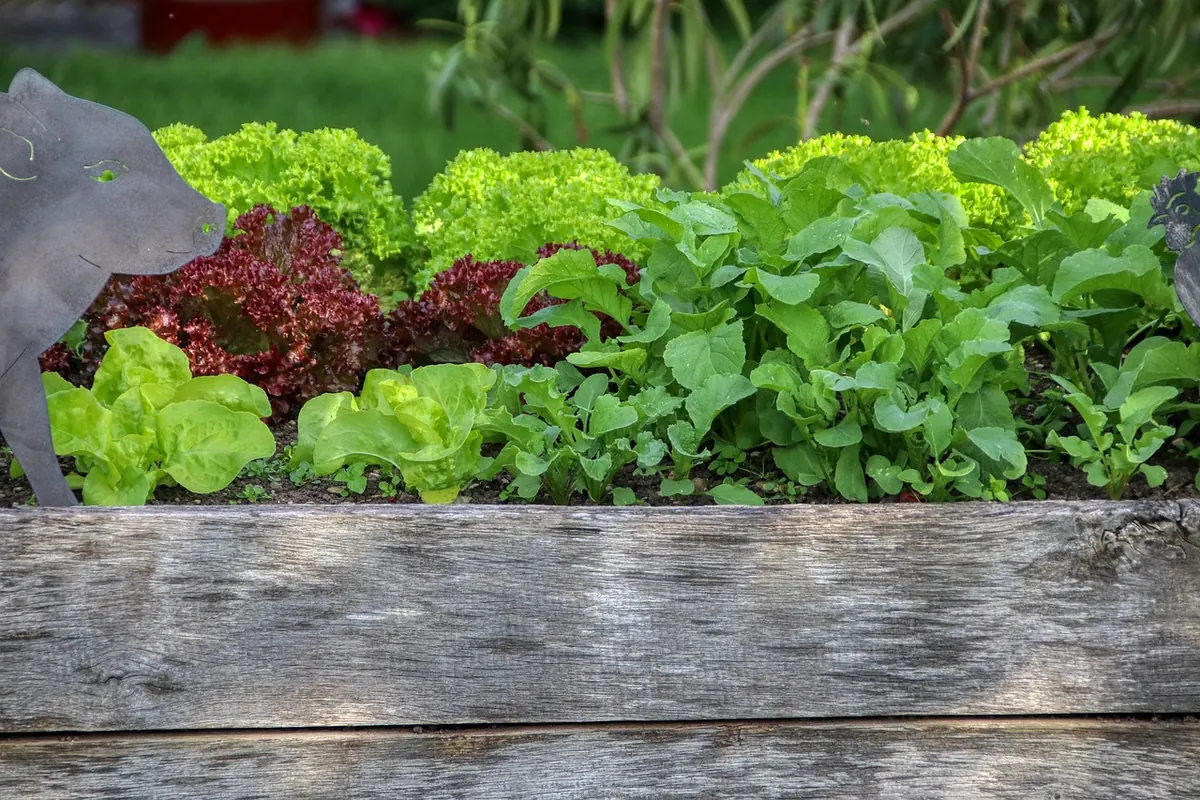
Photo: planet_fox / Pixabay

Beginner's Guide to Slow Travel in Small Coastal Towns
A practical guide to slow travel in small coastal towns: how to choose a base, stay longer, spend locally,...

Checklist: Packing a Carry-On for a Weekend City Break in Shoulder Season
A practical carry-on packing list and three-layer strategy for a spring or autumn city break, so you can...
About Us